Perfect Chicken Piccata: The Secrets to Tender Chicken and an Unforgettable Rich Sauce
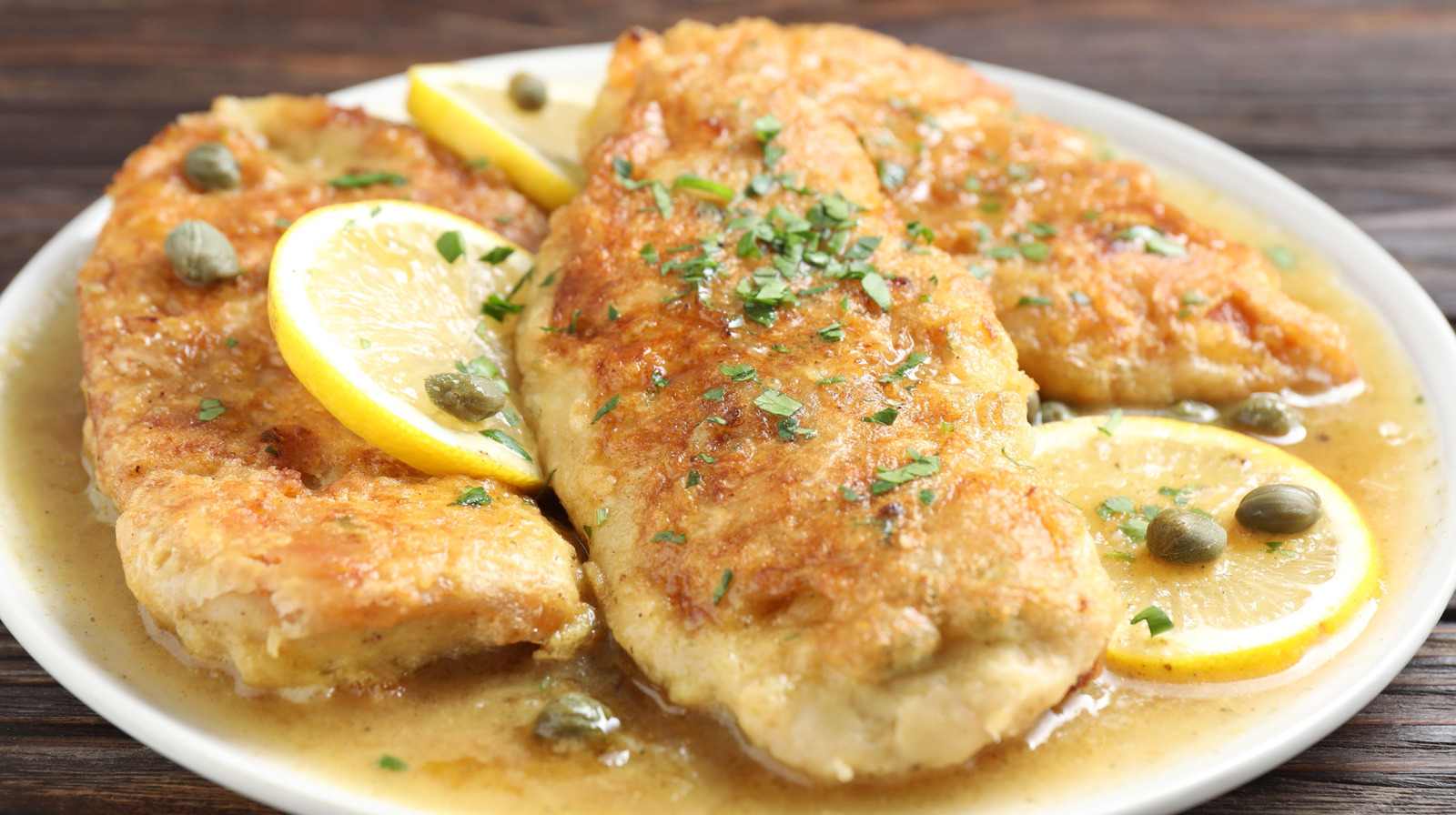
Few dishes evoke the charm and culinary prowess of an Italian restaurant quite like Chicken Piccata. This classic, surprisingly approachable meal features thinly sliced, incredibly tender chicken cutlets bathed in a luscious, tangy sauce made from butter, lemon, capers, and white wine. It's a symphony of flavors – rich, bright, salty, and utterly satisfying – that has graced countless dinner tables and remains a beloved staple for both quick weeknight meals and special occasions. If you've ever dreamt of recreating that perfect restaurant-quality Easy Chicken Piccata: Italian Restaurant Flavor at Home in your own kitchen, you're in the right place. We'll dive deep into the crucial techniques and insider tips that guarantee tender chicken and a sauce you'll want to savor to the last drop.
The beauty of chicken piccata lies in its elegant simplicity and the harmonious balance of its core ingredients. While it appears sophisticated, the process is straightforward, hinging on a few key steps that transform humble boneless, skinless chicken breasts into something truly extraordinary in under an hour. Get ready to elevate your home cooking with this essential guide to perfect chicken piccata.
The Secret to Tender Chicken: Pounding for Perfection
The foundation of an excellent chicken piccata is undeniably tender chicken. The secret? Pounding your chicken breasts to an even, thin thickness. This isn't just a culinary quirk; it's a critical step that ensures every piece cooks quickly and uniformly, preventing dry edges and undercooked centers. Culinary producer Nicole emphasizes, "Part of what makes this cook so quickly is that our meat is nice and thin."
- Start Smart: If you're working with larger, thicker chicken breasts, begin by slicing the thicker end horizontally to create two thinner pieces, while leaving the smaller, naturally thinner portion intact. This pre-emptive cut helps achieve a more consistent starting point.
- The Pounding Process: Place your chicken pieces between two sheets of plastic wrap. This prevents tearing and keeps your workspace clean. Using a meat mallet, gently but firmly strike the chicken until all pieces are uniformly thin – ideally about ¼ to ½ inch thick. The goal is an even thickness, which promotes even cooking and results in consistently tender cutlets.
- No Mallet? No Problem!: Don't own a meat mallet? A small, heavy skillet, a sturdy rolling pin, or even the bottom of a heavy pot can serve as excellent alternatives. The key is to apply even pressure until the chicken reaches the desired thinness.
- Why it Works: Pounding not only ensures even cooking but also physically tenderizes the chicken by breaking down muscle fibers. This results in a juicier, more succulent texture that readily absorbs the delicious sauce.
Crafting the Unforgettable Piccata Sauce: A Symphony of Flavors
While the tender chicken is a star, the rich, tangy, and utterly addictive sauce is what truly defines Quick Chicken Piccata: Juicy Chicken with Zesty Lemon Caper Sauce. It's a masterful blend of butter, white wine, fresh lemon, and those delightful little salty capers. Each ingredient plays a vital role in creating a balanced and profound flavor profile.
- Fresh Lemons are Non-Negotiable: Forget the bottled stuff. The bright, zesty acidity from freshly squeezed lemon juice is paramount. It cuts through the richness of the butter, elevating the entire dish and providing that signature tangy finish. You'll want the vibrant, authentic taste that only fresh lemons can provide.
- Capers: Salty Bursts of Flavor: These small, briny flower buds are essential. Look for capers packed in brine, as they offer a more mellow saltiness than those packed in salt. The tiny nonpareil variety is often preferred for its delicate size, but regular capers work wonderfully too – just chop them slightly if they're particularly large. A quick rinse before using can help reduce their saltiness if you prefer a milder taste. Capers provide crucial pops of umami and a unique briny note that makes piccata truly distinct.
- The Role of Butter and White Wine: Butter contributes a luxurious richness and mouthfeel to the sauce, creating a smooth, velvety texture. It also helps emulsify the sauce. A dry white wine (like Pinot Grigio or Sauvignon Blanc) adds depth and complexity, deglazing the pan and picking up all those flavorful browned bits left by the chicken. If you prefer not to use wine, chicken stock is a perfectly acceptable substitute, offering savory notes to the sauce.
The Art of Deglazing and Sauce Reduction
The magic of the piccata sauce often happens after the chicken is seared. Deglazing the pan is a pivotal step for building flavor. Once the chicken is removed, the pan will have delicious browned bits (fond) clinging to the bottom. Adding your liquid – be it white wine or chicken stock, along with lemon juice and capers – to the hot pan and scraping up these bits infuses the sauce with incredible depth and savory notes. This technique extracts all the concentrated flavors left behind from searing the chicken.
Equally important is allowing the sauce to reduce. As the liquid simmers and evaporates, it thickens, concentrating the flavors and transforming a watery mixture into a wonderfully silky, glossy glaze that beautifully clings to every piece of chicken. Resist the urge to rush this step; patience here is rewarded with an incredibly rich and flavorful sauce.
Mastering the Cooking Process: From Pan to Plate
With your chicken prepped and ingredients ready, the actual cooking comes together quickly:
- Season and Dredge: Pat your pounded chicken cutlets dry, then season generously with salt and freshly ground black pepper. Lightly dredge each piece in all-purpose flour, shaking off any excess. The flour helps create a beautiful golden crust when seared and contributes to thickening the sauce later.
- Searing for Color and Flavor: In a large skillet over medium-high heat, melt a combination of butter and olive oil. Once sizzling, add your floured chicken cutlets in a single layer, ensuring not to overcrowd the pan (you may need to work in batches). Cook for about 3 minutes per side, until deeply golden brown. This browning develops rich, complex flavors.
- Testing for Doneness: Nicole offers a simple yet effective test for cooked chicken: "If it's firm, it's likely done." Gently press down on the thickest part of the breast with your finger. If it feels firm and springy, it's ready. Overcooked chicken will be dry, so precision here is key. Remove the cooked chicken to a plate and set aside.
- Bringing it All Together: With the chicken out of the pan, add your lemon juice, white wine (or stock), and capers. Bring to a boil, scraping up all those flavorful brown bits. Allow the sauce to simmer and reduce by about half, concentrating its flavors. Return the seared chicken to the pan and let it simmer in the sauce for about 5 minutes, allowing the chicken to warm through and absorb the delicious flavors.
- Finishing Touch: Just before serving, remove the chicken to a platter. Swirl in a final knob of cold butter into the sauce off the heat, whisking vigorously. This "monte au beurre" technique adds incredible sheen, richness, and helps to thicken the sauce beautifully without adding flour.
Elevating Your Piccata: Serving Suggestions & Garnish
Once your perfect chicken piccata is ready, it's time to serve! Pour that incredible sauce generously over the tender chicken cutlets. For a classic presentation, garnish with a sprinkle of fresh, chopped Italian flat-leaf parsley. Not only does parsley add a pop of vibrant color, but its fresh, herbaceous notes brighten the dish and provide a lovely contrast to the rich sauce. Italian flat-leaf parsley is generally preferred over curly parsley for its stronger flavor and less soggy texture in sauces.
Chicken piccata pairs beautifully with a variety of sides. The most traditional accompaniment is pasta – angel hair or linguine are excellent choices for soaking up every last drop of that exquisite sauce. Other fantastic options include fluffy mashed potatoes, creamy polenta, or simple roasted asparagus or green beans for a lighter meal. A crisp green salad also makes a refreshing counterpoint to the richness of the dish.
Common Pitfalls and How to Avoid Them
While chicken piccata is relatively easy, a few common mistakes can hinder its perfection:
- Uneven Pounding: Leads to inconsistent cooking, with some parts dry and others undercooked. Always aim for uniform thickness.
- Overcrowding the Pan: This lowers the pan temperature, steaming the chicken instead of searing it, resulting in a lack of that beautiful golden crust. Cook in batches if necessary.
- Skipping Fresh Ingredients: Using bottled lemon juice or omitting fresh parsley compromises the vibrant, authentic flavors of the dish.
- Not Reducing the Sauce: A watery sauce lacks the intense flavor and luxurious texture that makes piccata so memorable. Patience during reduction is key.
- Overcooking the Chicken: Dry, tough chicken is a common culprit. Rely on the "firmness" test and don't be afraid to remove chicken slightly early, as it will continue to cook briefly in the hot sauce.
Making perfect chicken piccata at home is incredibly rewarding. With these tips for achieving tender chicken and a rich, unforgettable sauce, you'll be able to recreate this Italian restaurant favorite with confidence and flair. It's a testament to how simple, quality ingredients and thoughtful technique can produce a truly extraordinary meal. So, gather your ingredients, follow these steps, and prepare to impress your taste buds and your dinner guests with this timeless classic.